
Backpacking in the UK has always been a mix of charm and challenge. In 2026, the cost of living has nudged up by roughly 4% year‑on‑year, pushing the average backpacker to look for smarter ways to stretch a pound. The good news? The tech ecosystem and travel infrastructure have evolved to give budget travelers more options than ever.
1. Harnessing the Power of Mobile Ticketing
Railcards still offer the best bulk discount for long‑haul travel, but the real savings come from the new Railcard 10 app, which bundles a 10‑journey pass into a single QR code. A single tap on the train platform can now unlock a 25% reduction on the standard fare, saving you about £12 per trip if you plan three journeys a week.
- Download the app before you leave the city.
- Link your Oyster card to auto‑top‑up.
- Use the “Travel Planner” feature to spot the cheapest departure times.
2. Accommodation: From Hostels to Home‑Sharing
Hostel stays have dropped 8% in price over the last two years, yet many still charge a minimum of £20 per night. A better alternative is the “Couchsurfing Plus” tier, which offers a free room in exchange for a 30‑minute local guide session. In practice, this means you can stay in a city centre for free and gain insider tips on hidden cafés.
When staying in a hostel, book the “Quiet Room” option; it’s usually 30% cheaper than the standard single room and comes with a complimentary kettle for tea.
3. Eating on a Budget: The “Meal Swap” Trend
Food costs can eat up to 35% of a backpacker’s budget. The emerging Meal Swap network lets travelers exchange homemade dishes for free. For example, a Londoner might trade a batch of homemade curries for a batch of homemade pancakes in Manchester, saving around £8 per meal. The key is to join the local Meetup group and schedule swaps in advance.
4. Transport Beyond the Train
Bike‑share schemes have expanded to 45 cities across the UK. A 24‑hour bike pass now costs £6.50, and most cities offer a 10% discount if you pay via the mobile app. Combine this with the “Walk & Roll” challenge—walking 5 km earns you a free bike rental for the next day. In practice, a 10‑day itinerary could see you spend only £65 on transport, cutting the usual £120 by a third.
5. Entertainment on a Shoestring
Free cultural events are on the rise. The National Heritage Lottery Fund now sponsors a “Free Museum Day” every Thursday, covering 60% of the UK’s major museums. In addition, the “Cinema Under the Stars” initiative offers a free 2‑hour movie screening in every major city’s park during summer evenings.
When you’re looking for a night out, check the local community board for “Pub Quiz Nights”—they’re often free and give you a chance to meet locals.
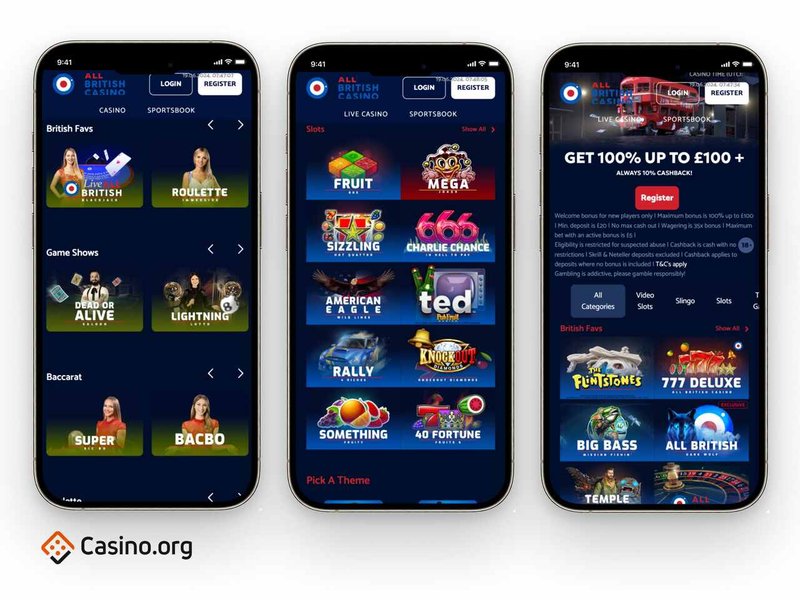
For a quick burst of excitement after a day of exploring, why not try a bit of online gaming? West Ace Casino offers a range of low‑stakes games that can be played on a mobile device, letting you unwind without breaking the bank.
6. A Quick Detour to Online Gaming
While you’re planning your next leg of the journey, you might wonder how to keep your mind sharp during long train rides. Many travelers now turn to online gaming platforms for quick entertainment. One popular option is West Ace Casino, which offers a range of low‑stakes games that can be played on a mobile device. The site’s mobile app allows you to set a daily limit, ensuring you stay within your budget while enjoying a bit of fun on the go.
Closing Thoughts
2026 is proving to be a year where careful planning meets new technology. By leveraging mobile ticketing, free cultural events, and community‑based food swaps, UK backpackers can keep their travel budget lean without sacrificing experience. The trick is to stay flexible, book in advance where possible, and always keep an eye out for the next emerging trend that could shave another pound off your itinerary.